In an increasingly interconnected world, the demand for multilingual interfaces is at an all-time high. Businesses aiming to reach a global audience must cater to users who speak different languages and come from diverse cultural backgrounds. Multilingual design is more than just translating text; it involves creating an experience that feels native to users regardless of their language or location.
Designing multilingual interfaces requires strategic planning, cultural awareness, and technical finesse. This guide explores key considerations, best practices, and actionable tips for creating user-friendly, multilingual interfaces that resonate with diverse audiences.
Why Multilingual Interfaces Matter
The internet has made it easier than ever for businesses to go global. However, language remains a barrier for many users. Studies show that 72% of users are more likely to stay on a website in their native language. Additionally, businesses offering multilingual support experience higher engagement and conversions.
Creating multilingual interfaces ensures inclusivity, allowing users to interact with your product or service effortlessly. Beyond expanding your user base, multilingual design reflects your brand’s commitment to accessibility and global reach.
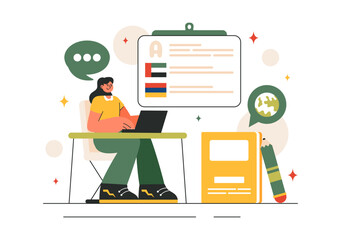
Challenges in Designing Multilingual Interfaces
Designing for multilingual audiences is rewarding but comes with its challenges. Here are a few common hurdles:
1. Text Expansion and Contraction
Different languages take up varying amounts of space. For instance, German text tends to be longer than English, while Chinese is more compact.
2. Right-to-Left (RTL) Layouts
Languages like Arabic and Hebrew require RTL layouts, which can complicate interface design.
3. Cultural Sensitivities
Design elements such as colors, icons, and imagery may have different connotations across cultures.
4. Consistency Across Languages
Maintaining a consistent design while accommodating multiple languages can be tricky, especially when text alignment and spacing vary.
5. Localization Complexity
Localization goes beyond language translation. It involves adapting date formats, currency symbols, and other cultural nuances to ensure the interface feels familiar.
Best Practices for Designing Multilingual Interfaces
1. Plan for Localization Early
Localization is not an afterthought—it’s an integral part of design. Use tools like Unicode and adopt internationalization (i18n) practices to make your interface adaptable. Ensure your codebase supports multiple languages and character sets from the start.
2. Use a Flexible Layout
Design responsive layouts that can accommodate text expansion or contraction. Avoid fixed-width containers for text elements, as they might break when longer translations are used.
3. Choose Universal Symbols and Icons
Symbols and icons should transcend language barriers. For instance, a shopping cart icon is universally understood, while a currency symbol might need localization.
4. Prioritize Readability
Select fonts that support multiple character sets, including Latin, Cyrillic, and Asian scripts. Additionally, ensure proper line spacing and alignment for enhanced readability.
5. Support RTL Languages
Designing for RTL languages requires more than flipping the layout. Consider how text, images, and navigation flow when mirrored. Test extensively with native speakers to ensure accuracy.

Localization vs. Translation: Understanding the Difference
While translation converts text from one language to another, localization adapts the entire interface to meet the cultural, linguistic, and technical needs of a specific audience.
For example:
- Translation: Converts “Submit” to its French equivalent “Soumettre.”
- Localization: Changes the date format from MM/DD/YYYY to DD/MM/YYYY for European users.
Localization ensures your interface resonates with users by reflecting their cultural norms and preferences.
Tools for Designing Multilingual Interfaces
To streamline the process, consider these tools:
- Figma: For creating flexible, scalable designs.
- Google Translate API: For initial translations (though professional linguists are recommended).
- Phrase: A localization platform to manage multilingual content.
- Adobe XD: Supports global design workflows with plugins for localization.
These tools can help you design, test, and refine your multilingual interface efficiently.
Real-World Examples of Multilingual Design
1. Airbnb
Airbnb’s localized interface adapts not only language but also currency, date formats, and local laws.
2. Duolingo
As a language-learning app, Duolingo exemplifies the importance of multilingual UI, supporting over 40 languages with culturally appropriate content.
3. Google
Google’s seamless support for multiple languages across its products, from Search to Maps, demonstrates the power of multilingual design at scale.
Testing and Feedback
No multilingual interface is perfect without rigorous testing. Collaborate with native speakers to validate translations and cultural appropriateness. Tools like BrowserStack can simulate your interface in different locales. Collect user feedback post-launch to identify areas for improvement.

Benefits of Multilingual UI Design
1. Broader Reach: Attract users from diverse linguistic backgrounds.
2. Increased Engagement: Users are more likely to interact when the interface speaks their language.
3. Competitive Advantage: Businesses offering multilingual support stand out in the global market.
4. Enhanced User Experience: Localization ensures the interface feels intuitive and welcoming.
Conclusion
Designing multilingual interfaces is a strategic investment that bridges language gaps, fosters inclusivity, and amplifies your brand’s global presence. By planning for localization early, using flexible layouts, and prioritizing cultural sensitivity, you can create interfaces that resonate with diverse audiences.
The world is your audience, and language should never be a barrier. With thoughtful design and robust testing, you can deliver an experience that feels native to every user, no matter where they are.
Master the art of crafting intuitive interfaces and unforgettable user experiences with our Advanced UI/UX Design Course. Gain hands-on skills, elevate your career, and create designs that leave a lasting impact.
Enroll now at Kaarwan and take your expertise to the next level!
FAQs
1. What’s the difference between localization and translation?
Translation is converting text into another language, while localization adapts the entire interface, including date formats, currency, and cultural nuances.
2. Why is RTL support important in multilingual design?
Languages like Arabic and Hebrew require RTL layouts. Supporting RTL ensures your interface is accessible to native speakers.
3. How do I test multilingual interfaces?
Collaborate with native speakers, use localization tools, and simulate interfaces in different locales with platforms like BrowserStack.
4. What are the best tools for multilingual UI design?
Figma, Adobe XD, Phrase, and Google Translate API are popular tools for designing and managing multilingual interfaces.
5. Can multilingual interfaces improve SEO?
Yes, offering multiple language versions can increase your site’s visibility in international search results, driving more traffic.